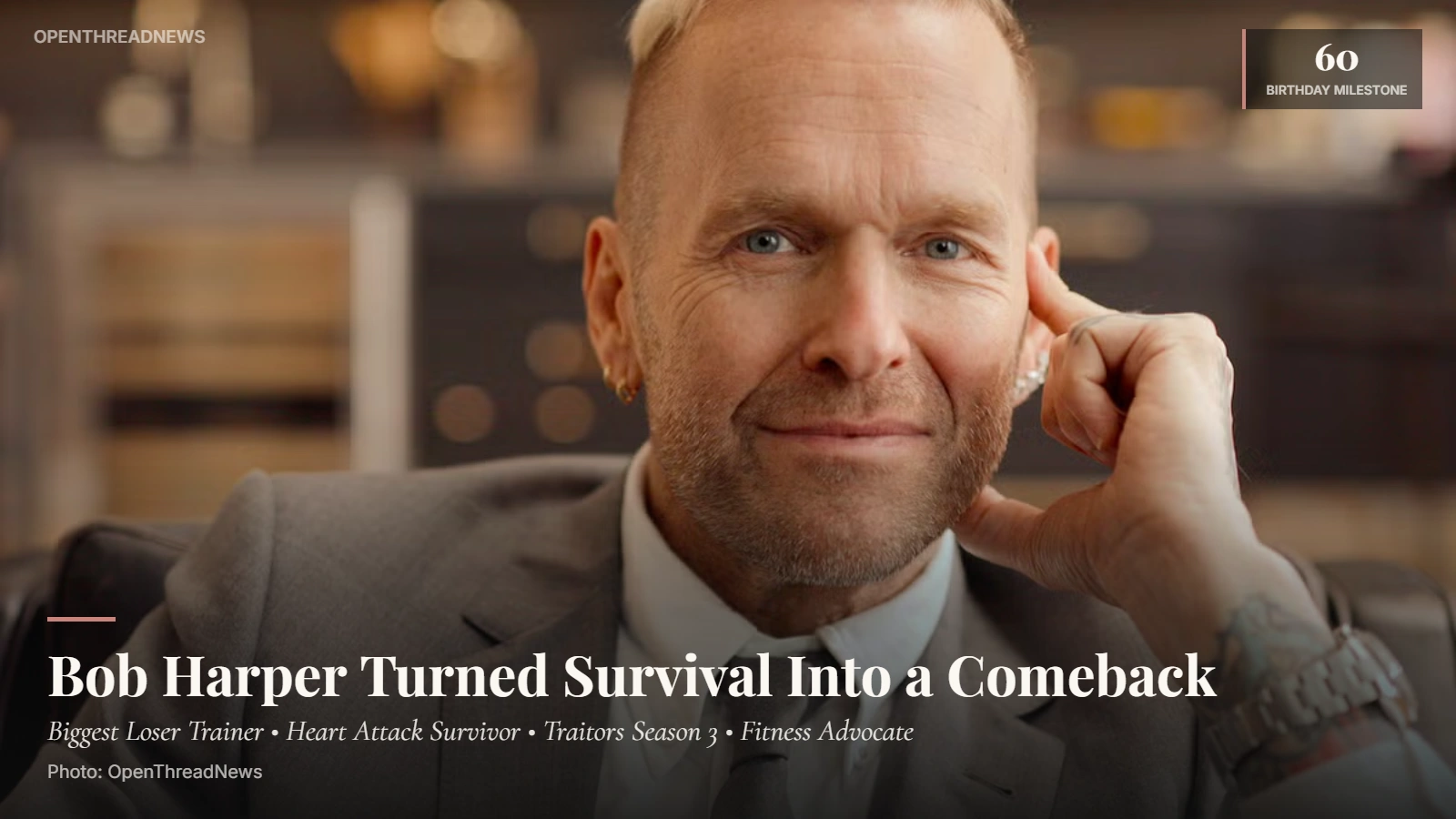
Bob Harper built a career on pushing other people through the hardest physical moments of their lives on The Biggest Loser, and then, in 2017, nearly lost his own. That history followed him directly into an unexpected Round Table moment on Season 3 of The Traitors, and in 2025 he turned it into a Netflix docuseries and a 60th-birthday milestone he’s been open about not taking for granted.
Harper was born Robert L. Harper on August 18, 1965, and raised on a cattle farm in Nashville, Tennessee, before becoming one of the most recognizable fitness personalities on American television.
From a Nashville Cattle Farm to Hollywood Training
Harper attended Austin Peay State University in Clarksville, Tennessee, but didn’t graduate, moving instead to Los Angeles to build a career as a personal trainer. He worked with celebrity clients including actress Jennifer Jason Leigh before his training work led to a spot as a trainer on NBC’s The Biggest Loser in 2004, a role that eventually expanded to hosting and made him one of the most familiar faces in fitness television for well over a decade.
Hosting The Biggest Loser
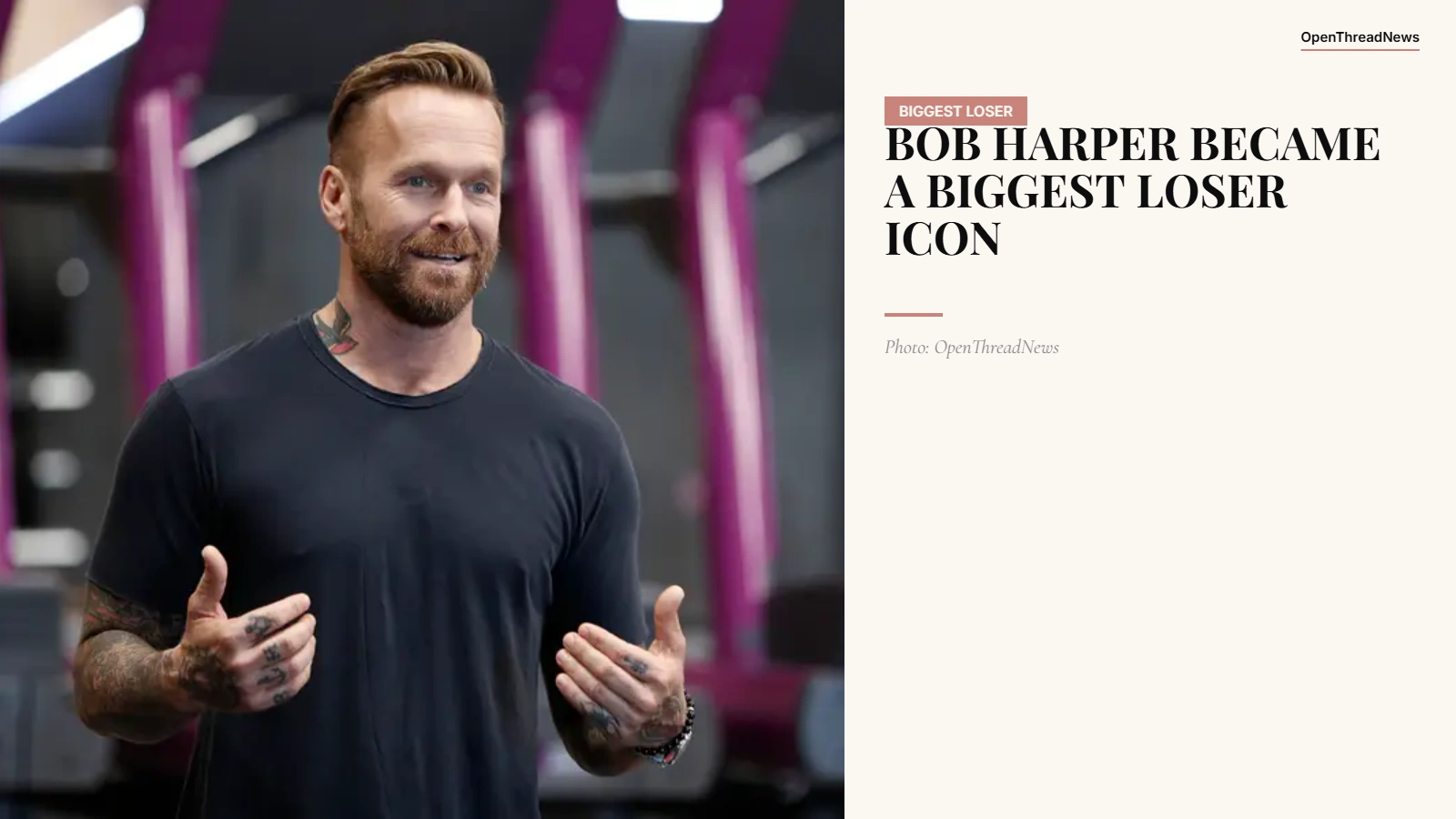
That career alone would have made Harper an obvious casting choice for a mega-cast Traitors season built around household names from every corner of unscripted TV. He came out to his family at 17 and publicly came out as gay on-camera during the seventh episode of The Biggest Loser, while talking with a contestant who was struggling to tell his own parents about his sexuality.
Surviving a Widowmaker Heart Attack
On February 12, 2017, Harper suffered a near-fatal heart attack, specifically a “widowmaker,” caused by a blockage in the heart’s largest artery, while working out. He went into cardiac arrest and spent two days in a coma before recovering, reportedly saved in part by two doctors who happened to be at the gym and performed CPR. Harper has spoken publicly, including around his time on The Traitors, about the ongoing physical and emotional aftermath of that event, treating it as a genuine, on-the-record comeback story rather than a private matter.
Coming Out and a Relationship With Anton Gutierrez
Harper’s longtime partner is Anton Gutierrez, and the two got engaged on June 28, 2019. Harper has used his public profile as an advocate for LGBTQ rights, and he’s been open on social media about the relationship for years.
A Challenge That Echoed His Recovery
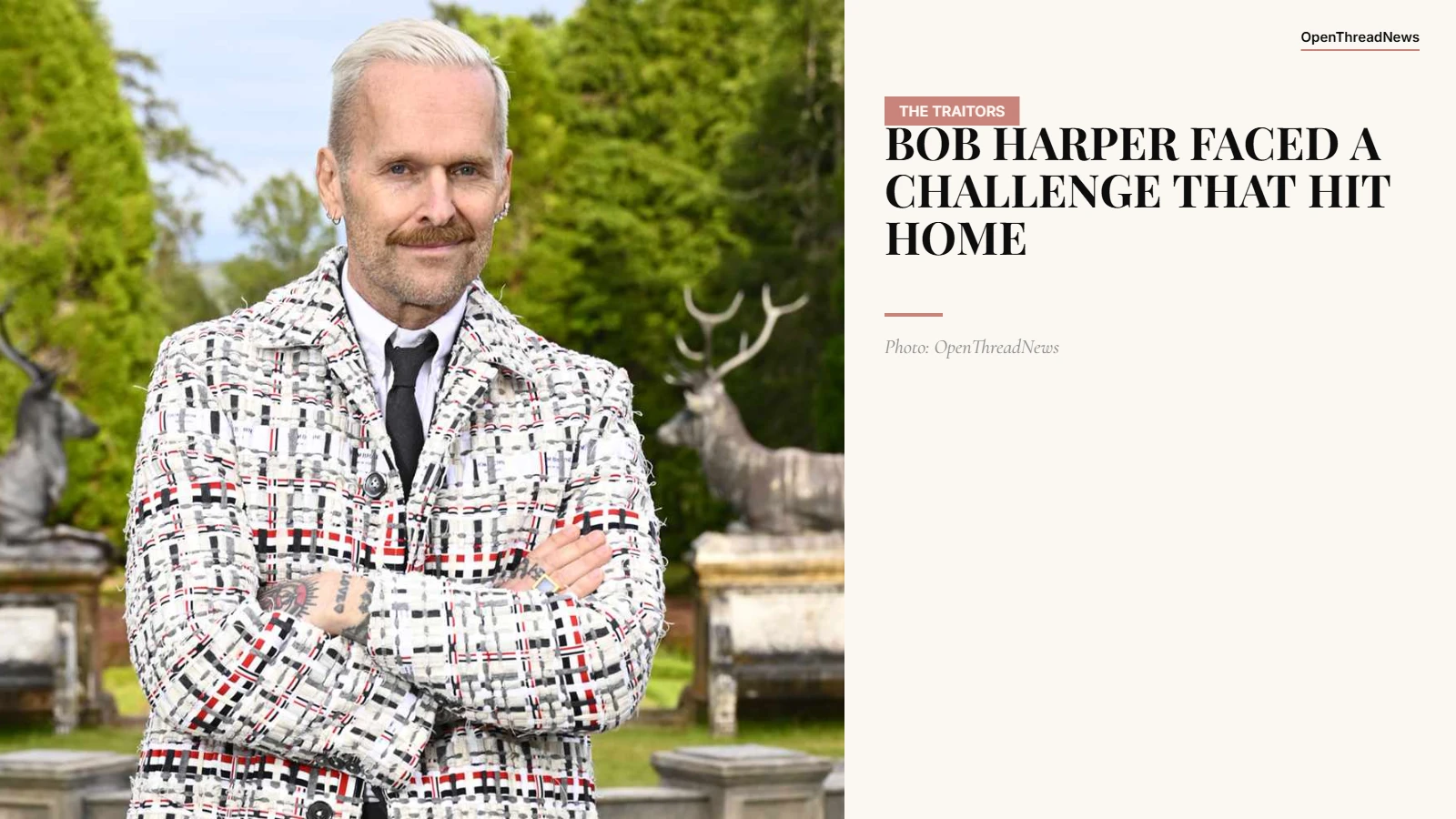
Harper’s health history became directly relevant to his Traitors season. A physical challenge in Episode 4 was built around tasks that echoed the kinds of physical trials Harper has faced since his heart attack, turning a competition segment into a real emotional moment for him on camera. He discussed feeling that the show changed his perspective, and separately mentioned that his former Biggest Loser co-star Jillian Michaels didn’t reach out to him after his heart attack, a small but pointed detail about how that chapter of his life played out among people who knew him professionally.
Life Now
Harper revisited that same tension in an August 2025 interview with The Guardian, saying Michaels’ silence after his heart attack “spoke volumes,” though he added he wouldn’t expect anything different from her. He appears in Netflix’s 2025 docuseries Fit For TV: The Reality of The Biggest Loser, revisiting the show’s history and his own health scare from the other side of it, and he marked his 60th birthday that August by telling followers he felt “so lucky” to be there for it. More on how the rest of Season 3 played out is covered in OpenThreadNews’ Traitors Season 3 cast guide.
Frequently Asked Questions
What happened to Bob Harper’s heart?
On February 12, 2017, he suffered a widowmaker heart attack while working out, went into cardiac arrest, and spent two days in a coma before recovering, aided by two doctors who happened to be at the gym.
Is Bob Harper still with Jillian Michaels?
They were never a couple; they were Biggest Loser co-trainers. Harper has said Michaels never reached out after his 2017 heart attack, a silence he’s called telling in interviews as recently as August 2025.
Who is Bob Harper’s partner?
His longtime partner is Anton Gutierrez. The two got engaged on June 28, 2019.