Hailey Bieber did not send a PR response. She reached out personally.
That detail matters because it tells you exactly what kind of leverage Golloria George has built at 25 years old. When George posted a video showing that Bieber’s Rhode lip product caused irritation and discoloration on her deep skin tone, the clip crossed 500,000 views.
Rhode did not issue a statement through a spokesperson. Bieber picked up the phone. The brand later added new shade and formula options for deeper skin tones.
That is not a viral moment. That is a creator with genuine industry power, operating in a space where most brands assumed accountability was optional.
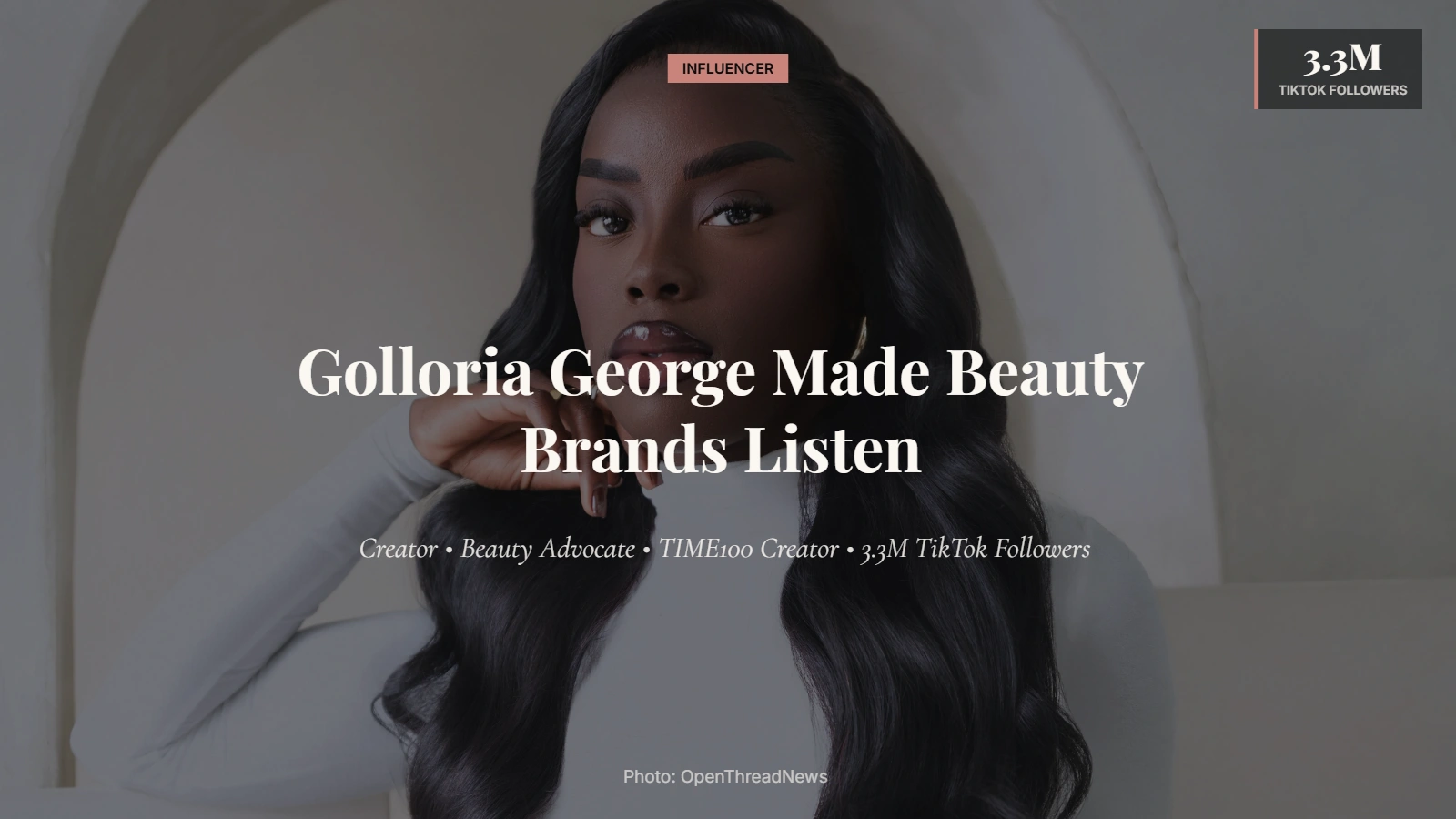
Golloria George was born on March 20, 2001, and is 25 years old. She is South Sudanese-American, raised in Texas, and currently based in Austin. She has 3.3 million TikTok followers, 1.1 million on Instagram, and 436,000 YouTube subscribers.
TIME named her to the TIME100 Creators list in 2025. She is represented by United Talent Agency.
She also skipped college entirely, which is one of the more searched facts about her and one of the less complicated ones. She had an audience to build.
Texas, South Sudan, and a Family That Immigrated for Something Better
George grew up in Texas, the daughter of South Sudanese immigrants. Her father works in healthcare. Her mother works in education. Neither has a significant public presence, which is a deliberate choice on George’s part: she keeps her family out of content that does not directly involve them.
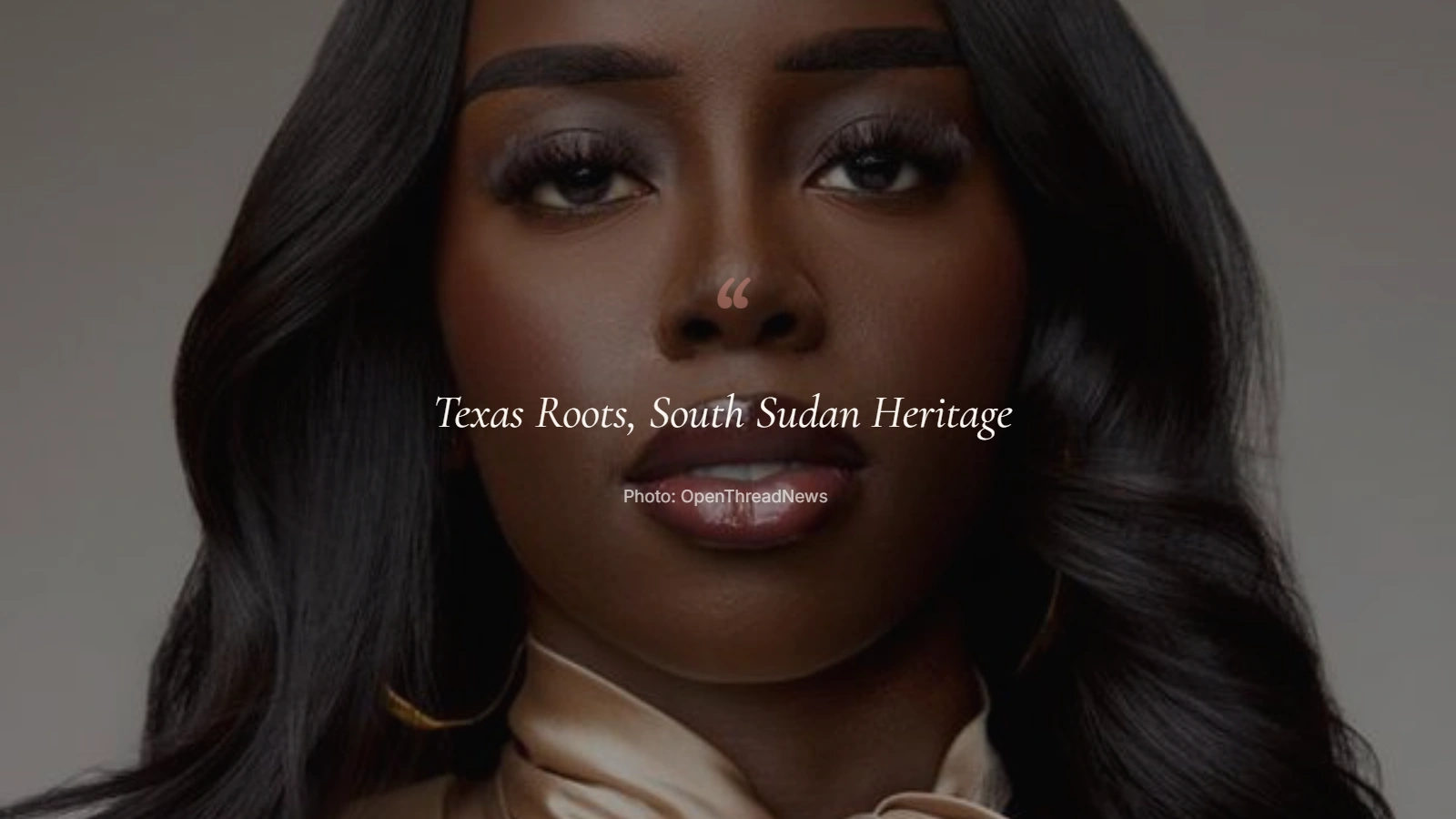
South Sudan only gained independence in 2011, making her parents part of a generation that navigated extraordinary instability before building a life in the United States. George carries the South Sudanese flag emoji in her Instagram bio, a quiet but consistent acknowledgment of where her family comes from and what it cost them to get here.
She did not pursue a formal degree after high school. “Golloria George college” is a searched term specifically because her media presence, her analytical approach to product testing, and her fluency in the language of the beauty industry make people assume she has a communications or chemistry background. She does not. What she has is close observation, a willingness to be specific, and an audience that showed up because no one else was doing what she was doing.
The Content That Built 3.3 Million Followers
George started posting on TikTok around 2019 to 2020. The account did not explode immediately. The inflection point came in 2021 when a shade range testing video showed, in real time, what happens when makeup designed for “all skin tones” meets a genuinely deep complexion.
The product failed visibly. The video did not fail.
Her niche is narrow on purpose. She does not cover general beauty content or post lifestyle videos designed to attract the broadest possible demographic. She tests makeup products specifically for deep skin tones, focusing on the shades, undertones, and formulas that brands routinely get wrong for darker complexions. The methodology is consistent: apply the product, show the result honestly, name what works and what does not.
That specificity is what made her impossible to ignore. The beauty industry has spent years claiming inclusivity through marketing while releasing foundation lines where the deepest shades are an afterthought. George shows the gap between the claim and the product, on her own face, without editorial softening. The audience that needed that content found her immediately.
By 2024 she had appeared on the Today Show to discuss the shade inclusivity crisis in the beauty industry. Marie Claire ran a profile titled “Golloria George Will Always Be An Influencer,” focused on her staying power beyond a single viral moment. Cosmopolitan covered her advocacy under the headline “TikToker Golloria George On Beauty Inclusivity.” Forbes highlighted her impact on the industry. TIME put her on the 2025 Creators list.
None of those outlets typically profile a creator with under 5 million followers unless the cultural argument for their importance is clear. In George’s case it was.
Rhode, Fenty, and the Brands That Got Called Out
The Rhode situation is the most documented example of what George’s reviews can do, but it is not the only one.
She has publicly tested and critiqued Fenty Beauty, Rare Beauty, and MAC for shade inclusivity failures alongside Rhode. Fenty is a particularly notable inclusion on that list because Rihanna built the brand explicitly on a 40-shade foundation promise. Being called out by a deep skin creator for still falling short of that promise carries a different weight than the standard brand criticism. George has made that case without hedging.
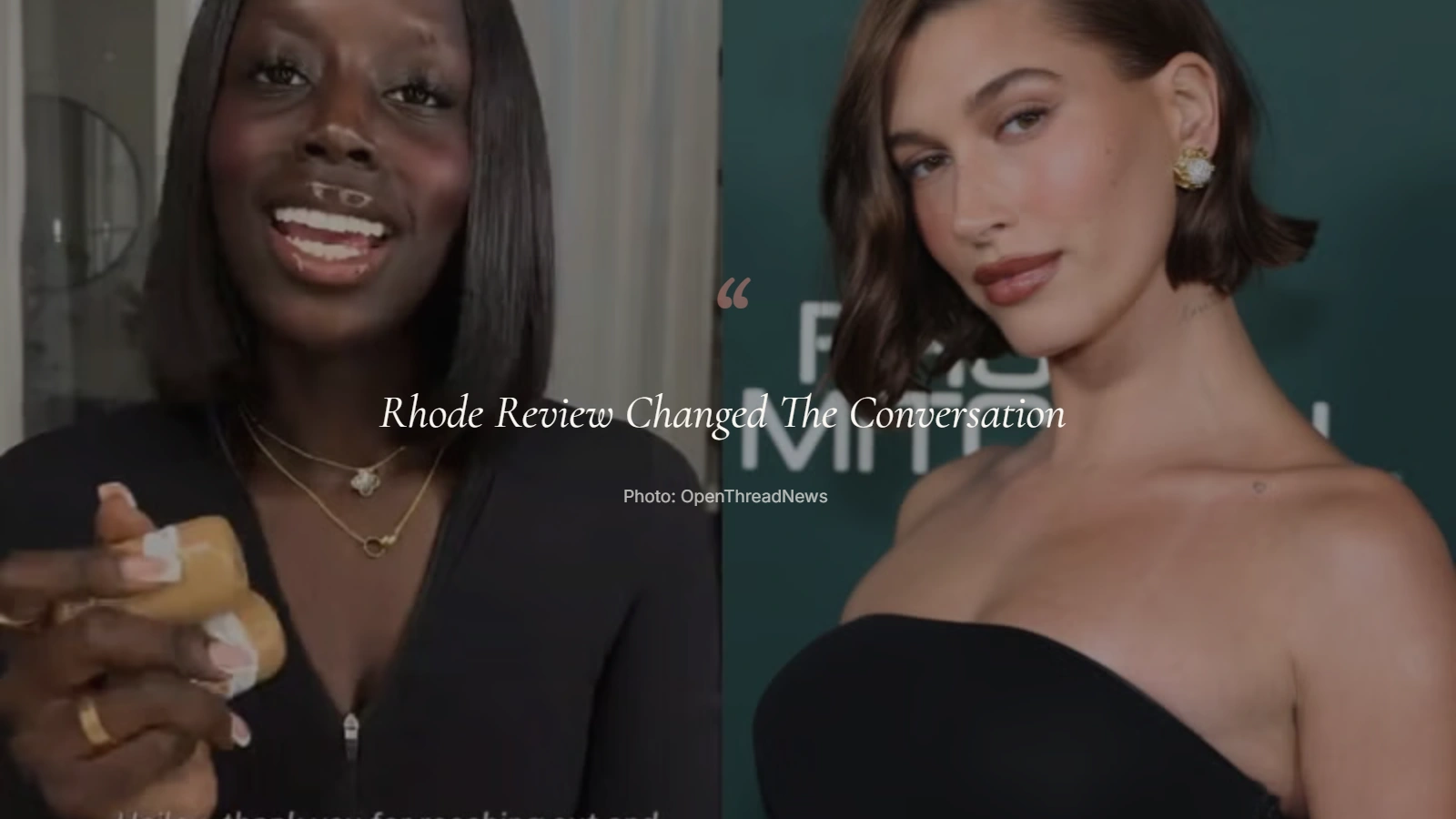
The Rhode incident became the most visible because of what happened after. Her video showing the lip product causing irritation and discoloration on her skin tone crossed half a million views quickly. Then Hailey Bieber reached out to her directly, which George discussed publicly. Rhode expanded its product development for deeper skin tones in the aftermath.
The pattern here is not accidental. George’s reviews carry weight because her methodology is consistent and her audience trusts her. When she says a product fails, the community that has been watching her work for years takes that seriously. Brands cannot simply wait out the news cycle the way they once could when a review disappeared after 48 hours of engagement.
She works with brands that earn it: partnerships with Melanin Haircare and Black Doll Cosmetics reflect collaborations where the product was built for her audience rather than brands trying to use her audience to rehabilitate their own positioning.
The September 2024 Hiatus and What Caused It
In September 2024, George announced a hiatus from posting. The trigger was an incident with a brand she chose not to name publicly: the brand had sent wrong shade samples and followed up with what she described as a dismissive email when she raised the issue. She called the behavior “colorist” and “anti-Black.”
The hiatus lasted approximately one month. She returned in October 2024 after the brand apologized. She has not named the company publicly, and Reddit speculation in r/BeautyGuruChatter has pointed to Fenty or Rare Beauty without confirmed sourcing.
The decision to take the break was significant not because a creator taking time off is unusual, but because of what it communicated about the industry’s ongoing failures. George had spent years documenting what happens when brands do not take deep skin tones seriously at the product level. The hiatus said something about what happens when that dynamic persists at the professional and personal level as well.
Her return was quiet. She did not produce a comeback video or turn the experience into a content arc. She came back, kept working, and let the body of her output speak instead.
TIME100, Forbes, and What Recognition at 24 Actually Means
George was named to the TIME100 Creators list in 2025 at age 24. The list is not handed out for follower counts. TIME’s selection criteria lean toward cultural impact, and in George’s case the argument is straightforward: she changed how brands approach shade inclusivity by making the failure visible and giving the affected audience a voice with real reach.
Forbes profiled her as a beauty influencer whose advocacy had measurable impact on the industry’s approach to dark skin representation. The profile framed her not as a personality with opinions but as a force with documented outcomes.
Creators like Leana Deeb built similarly durable platforms by speaking to an underserved audience with consistent specificity. Ilona Maher used a platform to shift a cultural conversation about bodies and representation in a way that generated institutional recognition. George is doing something structurally parallel in the beauty space, except her target is a multi-billion dollar industry with a documented pattern of failing the audience she serves.
At 24 on the TIME100 list, with zero college degree and a TikTok account she started at 19, that is a meaningful outcome.
Relationship Status, Personal Life, and What She Keeps Private
George is single as of 2026. No partner has been publicly confirmed or featured in her content. “Golloria George boyfriend” and “Golloria George husband” are both searched terms, driven primarily by audience curiosity rather than any disclosed relationship.
She keeps her family largely offline. Her parents, who immigrated from South Sudan and now work in healthcare and education respectively, do not appear in her content. She likely has siblings but has not discussed them publicly.
The boundary is consistent and she has not framed it as a controversial choice. She simply does not mix her family life with her professional content, which is increasingly unusual for creators at her follower level.
Her faith is Muslim, signaled by the phrase “all praise is due to the most” in her Instagram bio. She references it periodically but has not made religion a central content pillar.
Net Worth, UTA, and the Business Behind the Content
George’s estimated net worth sits between $500,000 and $1 million, based on publicly available estimates. That range reflects the early stage of what is clearly a growing commercial position rather than a mature one.
Her income comes from brand partnerships with inclusive brands, AdSense revenue across TikTok and YouTube, and speaking appearances at beauty industry panels. She does not have her own product line yet, which is notable given the natural next step for a creator in her position. The Reale Actives model that Alix Earle executed, launching a skincare brand directly to her community at a premium price point, is the obvious blueprint for where George could go if she chooses to build a product.
She is represented by United Talent Agency, whose email is publicly listed in her TikTok and Instagram bios. UTA does not sign creators for follower counts alone. The representation signals that her commercial trajectory is taken seriously at an industry level, not just a social media one.
What Golloria George Is Doing in 2026
The search volume for her name has been climbing since mid-2025: 880 monthly searches in June 2025, hitting 1,300 by May 2026. That trajectory reflects compounding recognition rather than a single viral event driving temporary interest. The TIME100 placement, the Rhode aftermath, and ongoing Reddit discussions about her content have all contributed.
The Reddit threads are worth noting. r/LAinfluencersnark has an active discussion about her appearance, specifically speculation about a lip flip procedure and Botox. George has not addressed this publicly and the speculation remains unconfirmed. It is the kind of discourse that follows any young woman with a large audience and a visible face, and it says more about the platform than it does about her.
What she is actually doing in 2026 is continuing the work that got her on the TIME100 list: testing products, naming failures, amplifying what deep skin representation should actually look like, and building an audience that has given the beauty industry a reason to change its behavior.
She is 25. She is just getting started.
Frequently Asked Questions
Who is Golloria George?
Golloria George is a 25-year-old South Sudanese-American beauty and lifestyle creator based in Austin, Texas. She has 3.3 million TikTok followers and 1.1 million Instagram followers, and is known for testing makeup products specifically on deep skin tones and holding brands publicly accountable for shade inclusivity failures. She was named to TIME’s 2025 TIME100 Creators list and is represented by United Talent Agency.
How old is Golloria George?
Golloria George is 25 years old. She was born on March 20, 2001, and grew up in Texas. She is currently based in Austin, Texas.
Where is Golloria George from?
Golloria George is South Sudanese-American. Her parents immigrated from South Sudan and she was born and raised in the United States, growing up in Texas where she is still based. She carries the South Sudanese flag in her Instagram bio as a nod to her family’s heritage.
What happened between Golloria George and Rhode?
Golloria George posted a viral review showing that Hailey Bieber’s Rhode lip product caused irritation and discoloration on her deep skin tone. The video reached over 500,000 views. Hailey Bieber personally reached out to apologize, and Rhode subsequently worked to expand its product offerings for deeper skin tones. The incident became one of the most prominent examples of a single creator’s review prompting a measurable response from a major beauty brand.